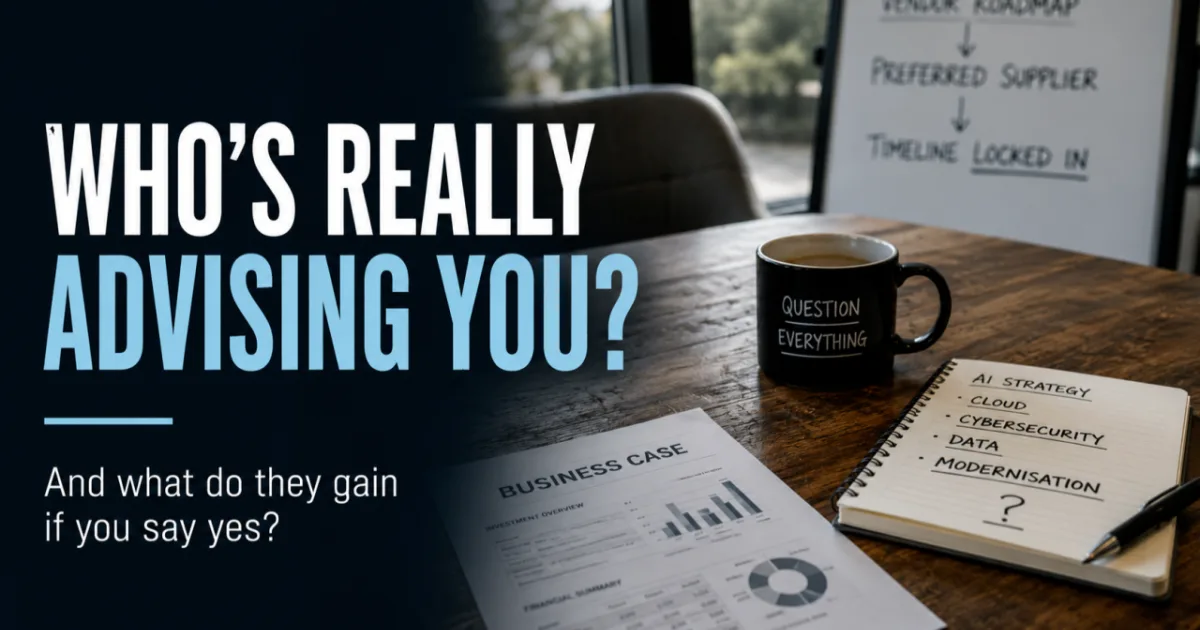
Read more about Who's Really Advising You?
And what do they gain if you say yes?
And what do they gain if you say yes?

Often it is the unarchitected backbone of organisational civilisation
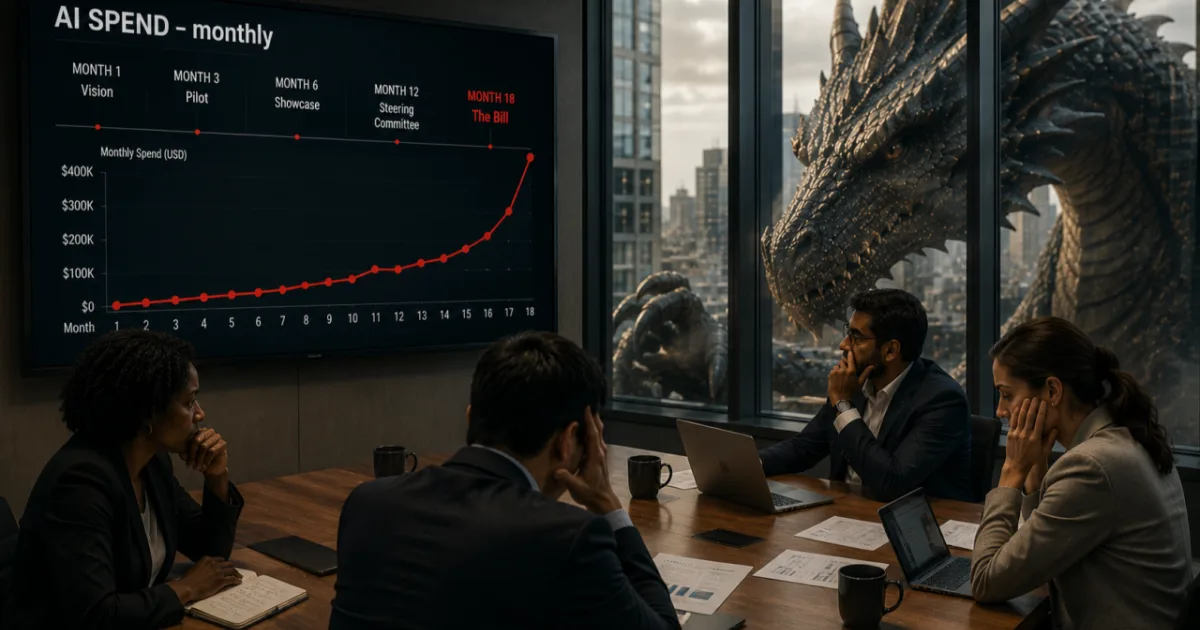
The tragedy of AI is that nobody set out to overspend.
Thanks to our friends at Conventus

The re-org is the corporate equivalent of moving the furniture when you can't afford a new house.

One Says No. The Other Says Yes. The Architect Glues it All Together?
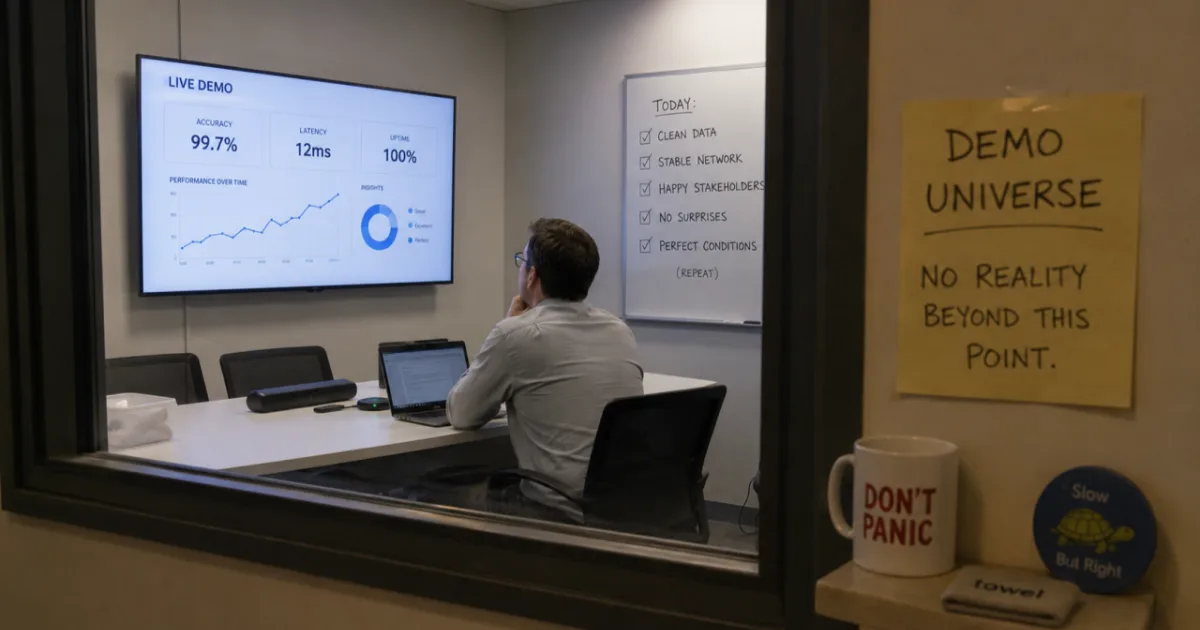
A demo is a magic trick performed in a sealed room, by a magician, using a deck the magician brought.

By March, generative AI had eaten two of the swim lanes. By June, a regulator had eaten a third.
Why Australia's Security Leaders Are Fighting Yesterday's War

Turning Strategy Into Something You Can Actually Execute.

The Gap Between Strategy and Execution Isn't a Culture Problem. It's an Architecture Problem.

Research on Enterprise Architecture capability confirms what we see in practice: when aligned with the firm’s objectives and business model, EA can leverage organisational agility, enabling changes through innovation or operational adjustments.
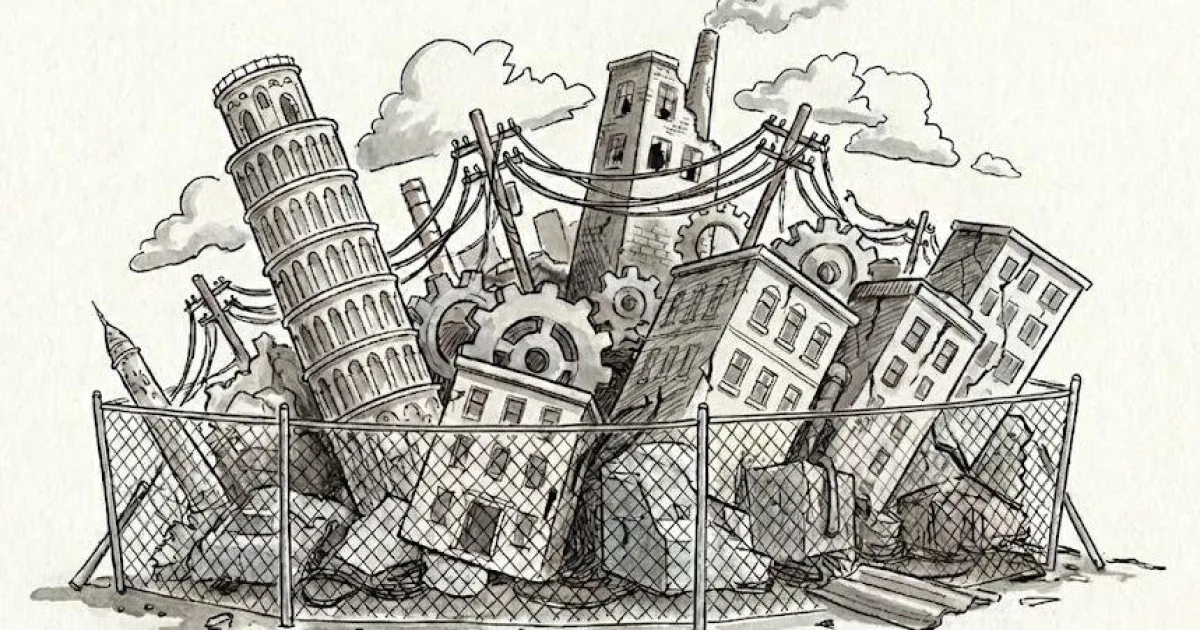
Most enterprises aren’t suffering from speed. They’re suffering from drift. Layer upon layer of well-intentioned decisions, no architectural intent, and complexity hardens into foundations no one meant to build.
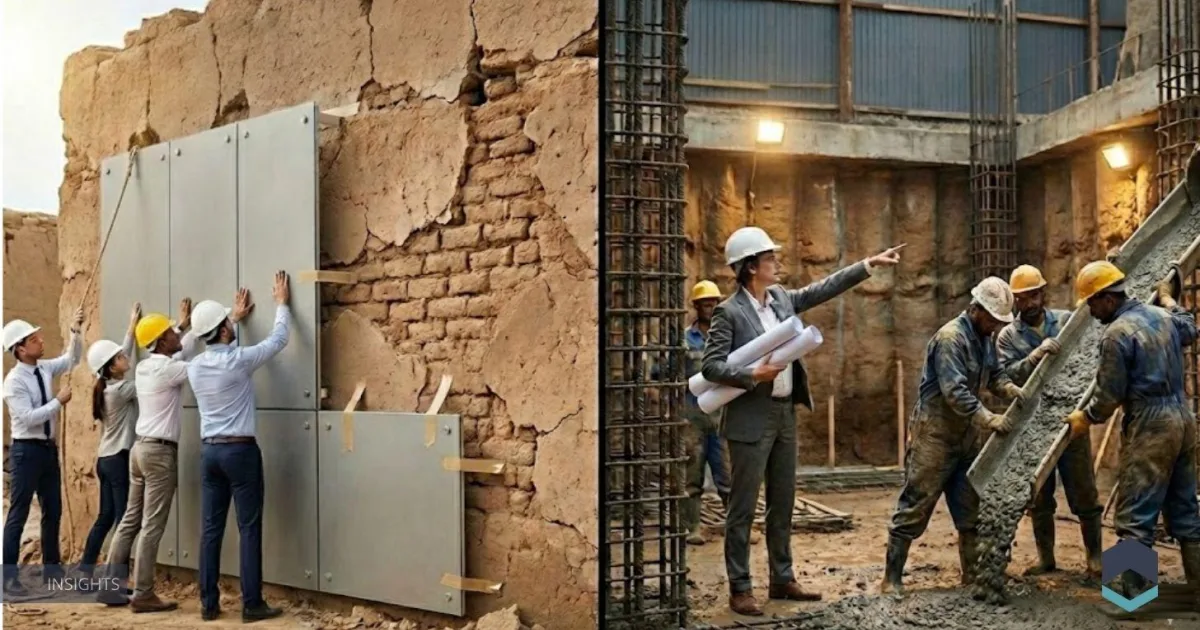
In 2026, the challenge is no longer can we build AI? It’s can we integrate it into the business? This article explores why Business Capability Models are becoming the foundation for turning AI pilots into governed, scalable enterprise value.
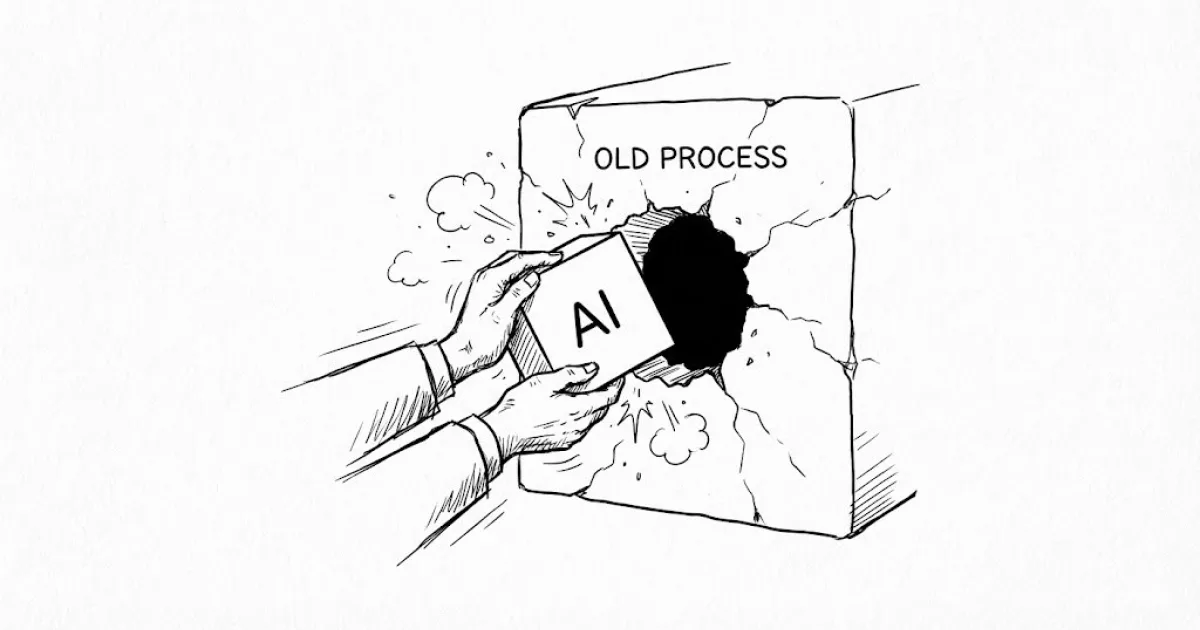
People, process, security and data matter just as much as tech in the AI journey. Without them being aligned to a shared POV, experimentation stays isolated, governance becomes reactive, and expected ROI never materialises.

People don’t stall because they resist change. They stall because the path forward is unclear. This article uses a city metaphor to examine how confusion quietly undermines momentum.

As cost pressures persist, CFOs are looking beyond traditional financial views. This article explores why business capability models are helping explain cost behaviour, duplication, and investment trade-offs more clearly.
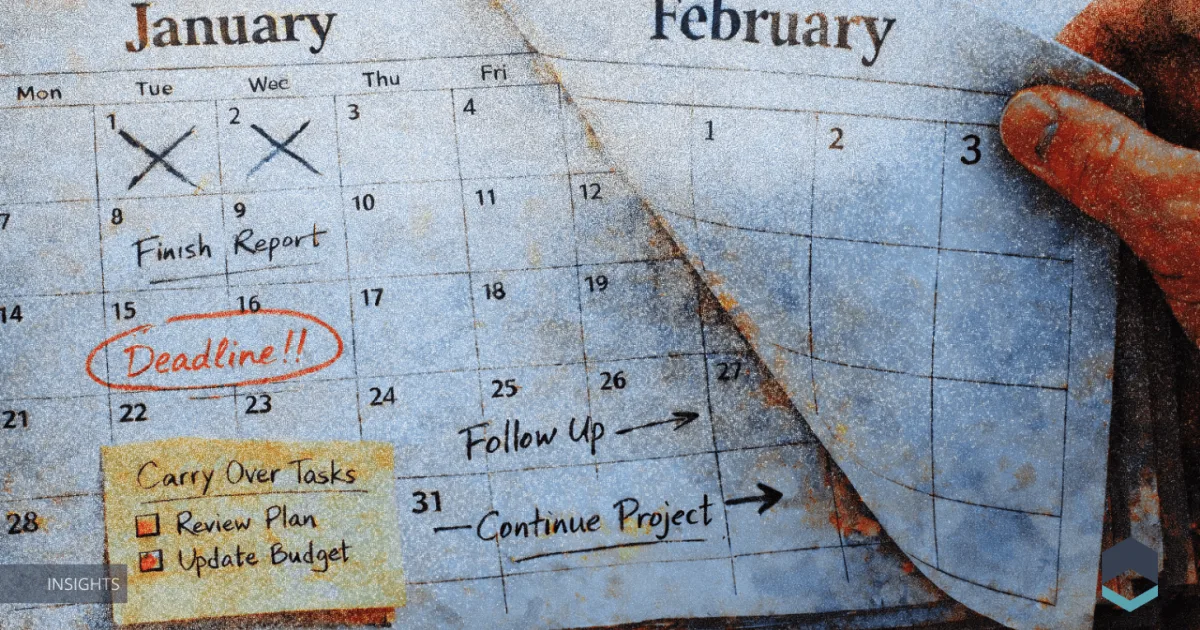
The most important work this year may not be new. In many organisations, progress is limited less by ideas and more by unfinished decisions. This article explores why follow-through often matters more than starting something new.